Women peacebuilders continue to struggle for recognition in the world’s post-war recovery efforts, even as they bury the dead, heal the wounded and rebuild trust.
In the wake of conflict, the images that frequently shape our perception of rebuilding often include machines clearing debris, diplomats in formal attire signing treaties and international organizations initiating bold development initiatives. However, constructing peace involves much more than just concrete. It is meticulously woven together in homes, local educational institutions and temporary counseling facilities where communities work to restore trust, address trauma and regain their autonomy. Within this context, women, particularly those from areas affected by conflict, are spearheading some of the most transformative efforts in post-war environments.
As someone whose scholarly work centers on peacekeeping policy and human rights — and who has witnessed the impacts of war firsthand in South Asia — I have come to greatly appreciate the enduring, quiet contributions of women peacebuilders. Although their efforts are often overlooked in official peace negotiations, they are crucial for any genuine recovery. Women peacebuilders from grassroots movements in South and Southeast Asia maneuver through a complicated landscape of strategies, narratives and systemic challenges — insights brought to light through practical examples and my personal field research.
The importance of gender in peacebuilding
Global peacebuilding frameworks typically focus on ceasefires, elections and institutional reforms. Yet these interventions, primarily driven by state entities and global organizations, frequently ignore the gender-specific realities of conflict and recovery. Feminist theorists have long critiqued the male-centric bias of these frameworks, pointing out how they marginalize women’s experiences and undervalue the vital relational and caregiving tasks necessary for healing fractured societies.
The Women, Peace and Security agenda, established through U.N. Security Council Resolution 1325, marked a significant milestone in acknowledging women’s contributions to peace processes. Nevertheless, over two decades later, its application remains uneven and superficial. Women are often included in a tokenistic fashion — invited to consultative boards without real influence or promoted in materials while being denied essential funding and resources.
Advancing women’s rights is not merely a matter of human rights; it is also crucial for fostering enduring peace. Worldwide, women still encounter significant inequalities: they earn, on average, 23 percent less than men, shoulder a disproportionate share of unpaid care labor, and are underrepresented in leadership and decision-making roles. Tackling these inequities is not an afterthought; it is essential for creating just and resilient post-conflict societies.
Since its inception in 1945, the United Nations has progressively prioritized gender equality as a vital element of peace and development. From the Charter’s endorsement of equal rights for all genders to pivotal frameworks such as the Universal Declaration of Human Rights and the Convention on the Elimination of All Forms of Discrimination Against Women, the international community has acknowledged that gender justice is fundamental to sustainable peace. U.N. peacekeeping efforts today involve gender advisers, promote the involvement of women in peace talks, and work alongside grassroots women’s organizations in areas affected by conflict.
These initiatives demonstrate that incorporating gender perspectives enhances the effectiveness of missions, fosters trust within local communities, and elevates women’s voices in the peacebuilding process. Nonetheless, systemic challenges — including patriarchal customs, lack of resources and opposition from entrenched power structures — still impede substantial advancements.
Gender represents more than a statistic to consider; it is a fundamental condition influencing who is acknowledged, who receives funding and whose narrative of peace becomes the dominant account. Embracing a gender-inclusive strategy in peacebuilding entails not merely inviting women into discussions but also fundamentally redefining our interpretations of peace, authority and security.
Recovery after conflict and disaster in Indonesia
In Aceh, Indonesia, the conclusion of a nearly 30-year separatist conflict in 2005 coincided with the aftermath of the catastrophic Indian Ocean tsunami. In this complex landscape of trauma and transition, women-led community organizations emerged as crucial agents in the recovery process.
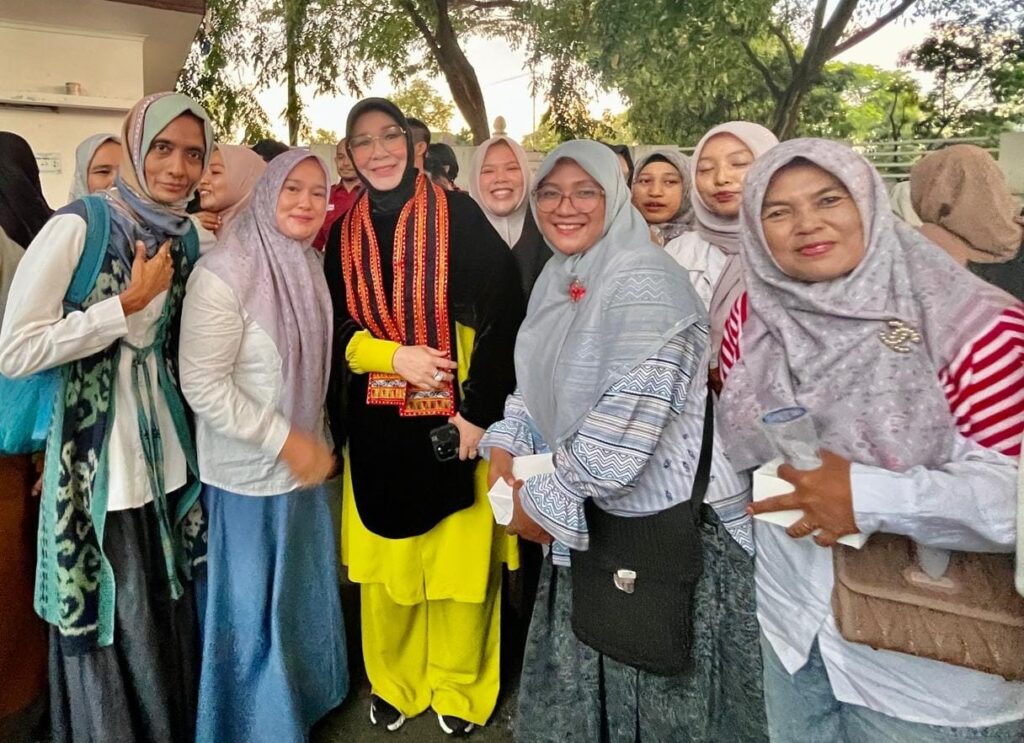
Groups like Flower Aceh, spearheaded by local female activists, facilitated conversations between former combatants and civilians, helping to mend profound mistrust. They educated youth on nonviolent communication, organized communal trauma healing sessions and campaigned for women’s representation in village leadership roles.
“We didn’t seek permission to take action,” remarked one activist. “In the absence of government support, it was women who held the community together.”
Their efforts restored community bonds and helped prevent the outbreak of further violence. By concentrating on reconciliation, dignity and economic reintegration, these women laid the foundation for a more inclusive and enduring peace. However, their contributions often went unrecognized in formal assessments or metrics of peacebuilding.
Post-conflict recovery is frequently framed in terms of rebuilding physical infrastructure: roads, schools and hospitals. Yet another less visible but equally essential type of infrastructure exists: the emotional and social framework that unites communities. Women peacebuilders engage in this work daily, frequently without remuneration or acknowledgment. They offer informal support to survivors of sexual violence, resolve family conflicts related to war trauma and lead communal rituals to mourn and honor the deceased.
This emotional effort is crucial to the healing process but remains largely overlooked in official peacebuilding plans. In many cases, women also return to or expand their roles as educators, health workers and caregivers — not merely reinstating the pre-war status quo, but envisioning what a post-war society could become. This work is not additional — it is essential.
Memory, justice and survival in Sri Lanka
In the Tamil-majority regions of northern Sri Lanka, the conclusion of the civil war in 2009 did not bring a sense of closure. Thousands are still unaccounted for, and military presence persists in various locations. In this environment, women-led organizations like the Mothers of the Disappeared have emerged as significant advocates for justice and remembrance. These women, often widows or mothers, conduct regular vigils, gather testimonies and engage in legal initiatives for their missing family members. They also establish livelihood programs and community workshops that empower other women affected by the war.
“We are more than just grieving mothers,” stated one activist. “We are survivors, witnesses and leaders.”
Their efforts contest the state’s narrative of post-war normality and underscore the necessity of truth and accountability. By doing so, they contribute to a form of transitional justice grounded in community memory and moral strength. However, they constantly encounter risks, surveillance and accusations of being anti-national.
Cross-boundary solidarity
One of the most creative features of grassroots women’s peace initiatives is their capability to move beyond identity-centered separations. In Mindanao, Philippines, Muslim and Christian women have united to create interfaith alliances that mediate local conflicts, facilitate peace education initiatives and establish early warning systems for preventing violence. Their unity is not centered on eliminating differences but on acknowledging common experiences as women, caregivers and survivors. These alliances have shown remarkable effectiveness in fostering trust within divided communities, frequently achieving success where official institutions have fallen short.
Such cross-boundary activism also confronts patriarchal and ethno-nationalistic ideologies that depict women as carriers of group honor and chastity. By taking on visible leadership positions, these women are reinterpreting what it means to be a guardian of their community.
In spite of their effectiveness, women peacebuilders encounter a variety of structural challenges. Official peace negotiations are often private affairs, controlled by male elites and former fighters. Even when women are included, they are seldom afforded significant roles. Their contributions, which stem from personal experience, are frequently regarded as emotional or anecdotal.
Funding structures also reveal gender bias. Donors tend to favor large, professional NGOs with English-speaking personnel and comprehensive reporting mechanisms. Informal women’s networks — often the most credible local actors — struggle to secure funding. They rely on personal finances or sporadic community contributions, which limits their outreach and sustainability.
Safety is another vital concern. Women peacebuilders are often subjected to harassment, defamation and violence. In militarized areas, their efforts are frequently criminalized under national security regulations. These dangers are intensified for individuals from marginalized groups, including Indigenous women, lower-caste activists or religious minorities.
Here are five concrete recommendations:
1. Institutional inclusion: Women should be engaged at every stage of peace processes — from negotiations to oversight to execution. Their involvement needs to be meaningful rather than merely symbolic.
2. Flexible funding: Funders ought to create financial models that support informal organizations, offer translation assistance and simplify bureaucratic processes.
3. Protection mechanisms: It is essential to develop legal and physical safeguards for women peacebuilders, including quick-response systems and secure advocacy environments.
4. Capacity building: Resources should be directed towards training programs that improve women’s leadership skills, digital proficiency, legal knowledge and storytelling abilities.
5. Narrative shift: Initiatives in media and education should amplify women’s contributions to peacebuilding and challenge existing patriarchal beliefs.
Peace cannot be defined as a singular event marked by a ceasefire or an agreement. It is not just the cessation of violence or the removal of barriers. True peace is an extensive, collective journey — one that repairs not only destroyed infrastructure but also fractured trust, shattered identities and injured souls. It necessitates addressing the emotional, social and moral wounds left by violence. This profound, restorative and inclusive peace is often cultivated not in negotiation rooms, but in kitchens, community centers, refugee camps, classrooms and at gravesides.
Globally, women — particularly those working at the grassroots level, away from the media and spotlight — have borne the burden of this effort. These women serve as mediators, caregivers, educators, counselors and organizers. They document atrocities, oppose injustice and maintain the social fabric when everything else unravels. Yet, far too frequently, their efforts go unacknowledged, underfunded and undervalued. This is not merely coincidental — it is systemic.
The prevailing peacebuilding framework continues to prioritize state actors, armed factions and formal organizations, favoring those who enforce power through traditional (often aggressive) means. It overlooks the everyday efforts of peace, an undertaking that is gendered, relational and frequently unseen. Women are invited into these arenas only after the terms have been established, their contributions filtered through frameworks that seldom reflect their experiences or priorities.
To achieve a gender-equitable peace, we must challenge this pattern — not by merely inserting women into existing frameworks, but by fundamentally changing those frameworks. This entails reevaluating what is considered “expertise” in peacebuilding, who shapes the agenda and how success is judged. It requires recognizing that peace cannot endure unless it confronts systemic injustices — economic disenfranchisement, racial and ethnic discrimination, gender-based violence and the persistent devaluation of caregiving and community restoration.
Supporting women peacebuilders extends beyond mere representation. It involves adequately funding their efforts, safeguarding them against backlash and violence, and genuinely listening to the alternative visions of peace they present. These perspectives typically prioritize healing over vengeance, fostering relationships over dominance, and collective care over militarized security. They are based in the realities of those who experience war — not in combat boots, but with children to care for and neighbors to support.
A gender-equitable peace necessitates that we take these visions seriously. It calls for awareness that women have always played a role in peacebuilding — they have merely been made invisible by systems that refuse to acknowledge the full range of what peace entails. It is long overdue to stop questioning whether women should have a seat at the peace table. They have already established their own — table by table, village by village, generation by generation. The pressing question now is: will the world finally make space for them? They have created harmony within their own gatherings. The moment has arrived for worldwide systems to shift theirs.
Author’s Note: This article is informed by my academic research on peacebuilding policy and human rights, along with my personal involvement in women-led initiatives in post-conflict settings across Asia.
Thanks for this article. Women also played key peacemaking roles in West Africa and Northern Ireland, and probably many other places.