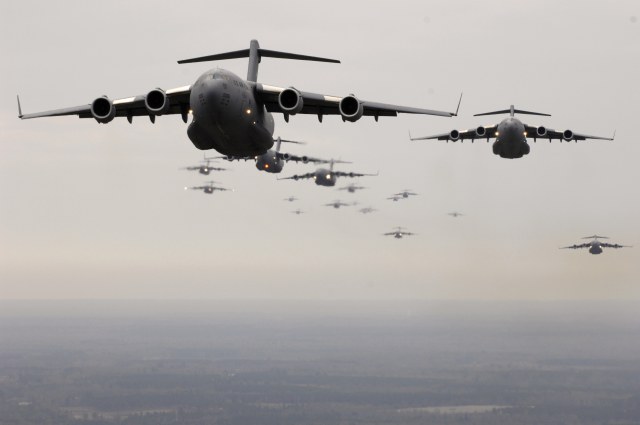
What is the architecture of imagination that makes the horror of war seem possible, sensible, and coherent? This week at Religion Dispatches, I review a new book that takes important steps toward an answer: Antoine Bousquet’s The Scientific Way of Warfare: Order and Chaos on the Battlefields of Modernity.
Soldiers stake their lives on a cosmic wager that what they undertake is equal to the ante. Commanders must orchestrate performances more compelling than theater and more sacred than peace, all the while inflicting as much damage as possible. The sum resources of a culture—its science, its religion, its poetry, its prejudice—mobilize in the service of that cause. These are as much the technologies of war as the weapons themselves.
While Bousquet’s analysis focuses on the uses of scientific knowledge, my essay explores how his approach could expand to include the religious.
It is common to think of religion as a primitive form of science, one that asks virtually the same questions and plays a commensurate role in the life of societies. To be sure, there is a vast religious prehistory to be written that would carry The Cosmic Way of Warfare farther back than Newton. But Newton—an alchemist obsessed with decoding prophecy—hardly spelled a definite break in which the religious transmuted into the scientific. And religious ways of warfare hardly disappeared as scientific ones arose. A fuller cosmology of warfare would embrace both. Religion and science each provide resources for thinking through the chaos of combat.
Read more over at Religion Dispatches.