Resisting the extremism of the Dhaka attack with radical love
The attack on a cafe in Dhaka, the city I grew up in, has forced me to ponder what it truly means to grieve a national tragedy.
On Saturday, I learned what it means to truly grieve during a national tragedy. Terror was brought to my home in a way that didn’t happen with the attacks in Turkey and Orlando. No longer an abstraction of news-stream violence — Dhaka, I grieve for you with tears in my eyes and my heart in my throat.
At 9:30 p.m. on July 1, seven militants entered a cafe frequented by locals and expats alike in Dhaka, Bangladesh and began a more than 10-hour killing spree that left 20 hostages dead and many others injured. Three of the dead were alumni of my high-school and siblings of my classmates.
Dhaka, despite being the nation’s capital, can feel a lot like a small town, especially in the community of expats with which I spent 18 of my most formative years. Many of us lived in Dhaka only temporarily, but we spent much of the past three days online together, still deeply connected to our former home. Those who are no longer here were our friends, students, family members, and — most importantly — our loved ones.
I grieve for my classmates and their siblings, who the world has so utterly failed. I grieve for their parents, for whom no prayers and no words can begin to console. I grieve for the teachers who taught and loved them. I grieve for my family and the families I do not know.
I have spent the last few days — as many of my friends and family did — in shock, processing what happened. Some that I spoke to offered prayer. Others swore off religion. Tragedies like this tend to reaffirm our predisposed positions.
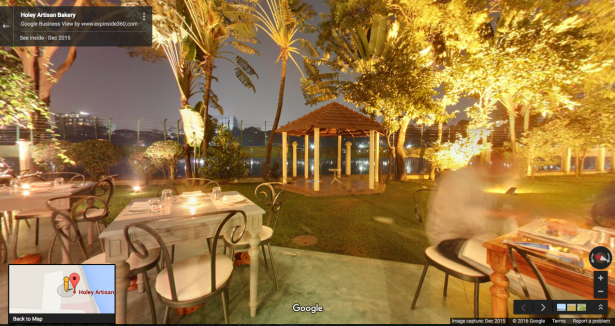
Perhaps, in a futile attempt to understand what happened there, I returned to Dhaka through Google’s Street View, walking through placid images of days less heavy with sadness. I walked to my house. To the homes of my loved ones. To school and the expat bars at which we would spend many weekend nights.
My thoughts turned from sadness to anger towards the men who took their lives. I have thought of them as evil and as monsters. But the word evil itself sounds trite and incapable of describing the depravity of their violence. Ultimately, I am left frustrated because no amount of thought can authentically examine the premises and principles from which they committed their crimes. I’m brought back to the words of Israeli writer Amos Elon, who said, “Good can be radical; evil can never be radical. It can only be extreme.”
I fear the violence that occurred in Dhaka on Friday, in Turkey on Tuesday, and in Orlando weeks before that, will manifest in more violence and thought-defying tragedy. To those who are no longer with us, I am sorry we have so devastatingly failed you. For those who are still here, I love you and refuse to let violence incite more violence. May we resist their extremism with true radicalism and confront their hate with radical goodness and love of our world. Please, keep hope alive. God knows we need it.
By targeting tech infrastructure critical to ICE’s new surge of arrests, Vermont residents are showing what it looks like to go on the offensive.
Defending the upcoming election from authoritarian capture will require massive turnout, and we all have roles to play.
Across rural Southeast Africa, a small but loud grassroots movement has emerged to resist destructive Chinese mining companies — and they are winning.

So many of us have learned that love is something that is soft, romantic, not practical. And you are giving us a message that is a power, and your are implying that it is a skill and an omnipresent refuge. It builds community and it challenges violence in a way that hatred simply cannot do. Not because it is more “moral” but simply more effective. What you are saying is not easy to do, but it is so human and natural, that we want to try. Thank you.
I am proud of your thought process and may goodness and humanity overcome the difficult times the world is facing, difficult it might sound but the only way , may be not the near future will see the change but future after that will if we all take the same resolve.
We will leave a better world for the next generation !
I completely agree – we must resist the extremism and current frustration and fight back with love. I am very impressed with your article – we featured it in our own article on Expat News 🙂